Sending goods to a marketplace: how many left, how many remain
Goods sitting in a marketplace warehouse are still yours: keep separate columns for what was sent, accepted, sold and returned.
After sending goods to a marketplace, many sellers decide they have "gone" and strike them out of the notebook. Yet the goods are still yours: they simply sit in another warehouse. If you erase them from your records, you will have no answer to the question "where is my stock?" It all comes down to a few states that must be kept apart.
The five places a product can be
At any moment the same product is in one of these places:
- on your own shelf, at home or in the back room;
- in transit: packed and sent, but not yet accepted;
- in the marketplace warehouse: accepted and put on sale;
- sold to a customer and being delivered;
- returned and being checked.
The total must equal the sum of these five. If the sum differs from your starting figure, there is a mistake somewhere, and now you have a definite place to begin looking.
People most often get "in transit" wrong. The goods have been sent but not yet counted by the marketplace, so they do not show in the seller account, and many conclude they are lost. In fact they are on the road and belong in a separate column until acceptance is confirmed.
The table: one row, one product
In a notebook or Excel create these columns: item, on the shelf, in transit, at the marketplace, sold, returned, total. The total should stay the same from day to day and grow only when you buy more.
As an example, you have 120 shopping bags. 30 are on the shelf, 60 are in the marketplace warehouse, 25 are sold and 5 have come back. Check: 30 + 60 + 25 + 5 = 120. The figures agree, so the records are right. If the total comes to 118, two bags are lost or unrecorded.
If you also sell the item on Telegram or in your own shop, keep "on the shelf" as the reserve for that channel only, and do not promise customers what sits in the marketplace warehouse.
What to do before sending
Most problems begin at dispatch. Five steps are enough:
- count the goods twice: first on the shelf, then as you put them in the box;
- write a packing list: item name, quantity, date, and keep a copy;
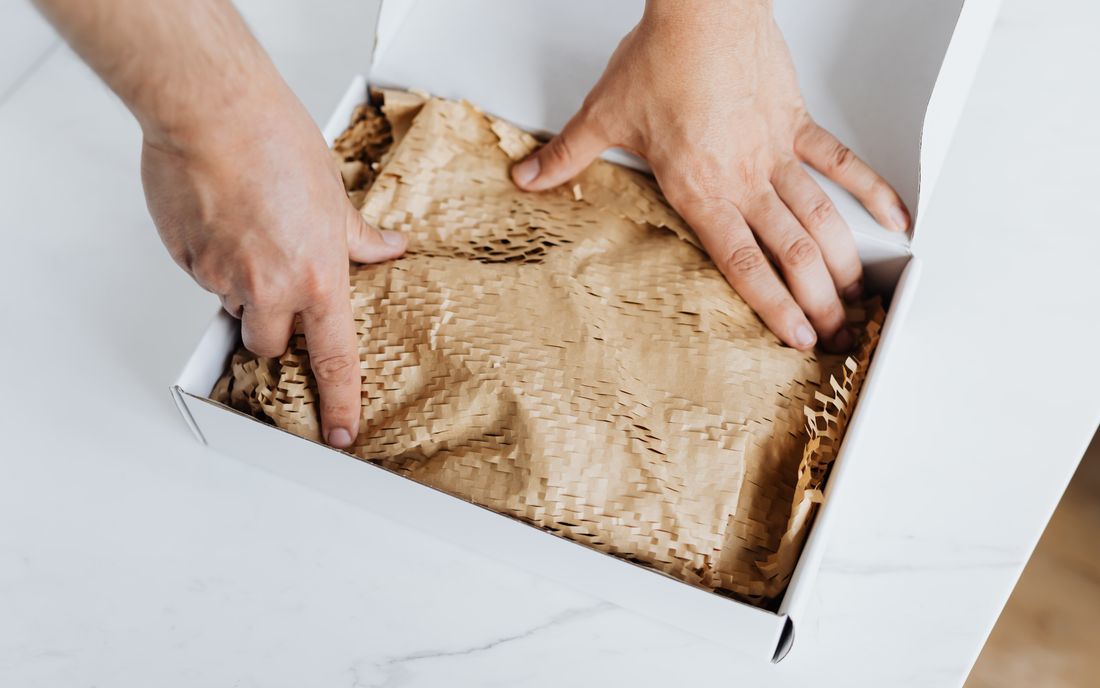
- before closing the box, photograph it open or record a short video;
- give the box a number and enter it in the table: "box 3: 24 pieces";
- note to whom and when you handed the goods over.
The photo and list look like extra work, but when a gap appears they are your evidence.
After acceptance
When the marketplace reports that it has accepted the goods, compare the number with your table. Say you sent 120 and 117 were accepted. The gap is three pieces. First check your own list and photo: were 120 really packed? If so, contact the marketplace support service and attach the list, the photo and the dispatch date. Who answers for the difference usually depends on the terms between the parties, so read the seller agreement once.
Until the gap is explained, enter it in the "in transit" column or in a separate "query" column, but do not erase it from the book. Once a week compare the balance in your seller account with the "at the marketplace" column: sales, returns and unaccepted boxes can cause a difference, and its cause should be written down.
When a return reaches you, open the box and check each item for fitness and intact packaging. Add good ones to "on the shelf" and write unfit ones on a separate "damaged" line, so the "returned" column stays close to zero. Note the reason in a couple of words: wrong size, wrong colour, damage. In a month you will see which reason is commonest, and that helps you correct the catalogue description.
Common mistakes
- striking dispatched goods out of the book at once;
- packing "by eye" without counting;
- handing over boxes without a list and photographs;
- listing one product on every channel at once with the full reserve;
- not recounting a return and mixing it back on to the old shelf.
Conclusion
Goods at a marketplace do not vanish; they only change place. Five states, one table, a list with a photograph before dispatch and a weekly comparison will spare you from the question "where is my stock?" When there is a lot of stock and no time to count it all before sending, the Sanab team can run the count and hand over a list by box.